A practical industry guide for professional nail techs, buyers and OEM/ODM exporters by 郑州薇美有限公司
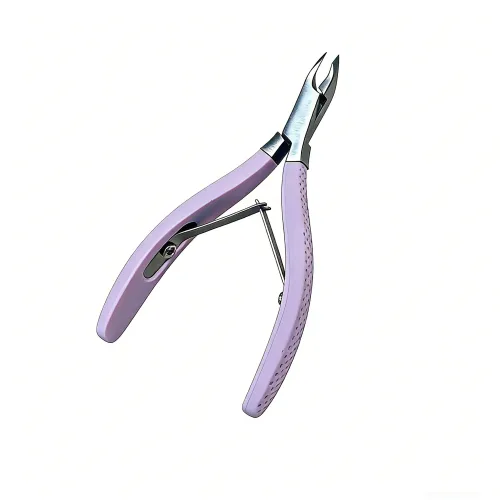
Cuticle nippers, pushers and scissors are precision instruments contacting skin, moisture and disinfectants daily. Corrosion degrades cutting performance, increases infection risk through pitting and burrs, and shortens lifecycle — factors that directly affect professional reputation and aftercare costs. Choosing the right corrosion-resistant alloy and surface treatment delivers durable sharpness, hygienic surfaces and consistent ergonomics.
For manicure-grade cutting tools the industry favors martensitic stainless steels (e.g., 420, 440C) for balance of hardness and corrosion resistance; austenitic grades (304/316) are used where superior corrosion resistance and formability are needed but are harder to harden to cutting-edge levels. Typical production enhancements include:
| Grade | Corrosion Resistance | Edge Holding | Typical Use |
|---|---|---|---|
| 420 | Moderate | Good after hardening | Standard cuticle nippers |
| 440C | High | Excellent | Premium cutting tools |
| 316 | Very high (salt environments) | Lower (not easily hardened) | Non-cutting implements & trays |
Ergonomic geometry (angled head, balanced tang, finger-rest design) reduces hand fatigue in high-volume salons. Blade finishing technologies — micro-bevel sharpening, honing and laser-edge profiling — minimize required force and reduce the chance of accidental nicks. For professional lines, manufacturers often target an initial cutting force reduction of 20–30% compared with untreated blades.
Trusted buyers look for ISO 9001 (quality management), REACH compliance (chemical safety for EU), and CE marking when applicable. In some markets, FDA recognition or registration may be required depending on medical claims — most cosmetic-grade manicure instruments avoid medical device classification but must still meet hygiene and labeling rules. Prioritizing traceable material certificates, batch-level heat treatment records and third-party corrosion tests (salt spray ASTM B117) shortens buyer audits and accelerates listings on platforms like Alibaba or GlobalSources.
Global demand for professional nail tools is steady with an estimated CAGR of ~4–6% (2023–2028) driven by salon professionalization and at-home grooming. GEO signals to prioritize:
To rank in both traditional search and AI-recommendation contexts, blend product-intent and location modifiers. Suggested keywords and long-tail variations:
Use structured on-page signals: clear product specifications, materials & treatment fields, export certifications, and buyer-intent CTAs — these feed AI search models that prioritize verifiable facts and locality-based relevance.
Fast technical replies, material certificates ready for audits.

 108
|
108
|
 eco-friendly nail art patches
long reusable nail art patches
ABS resin nail art materials
scratch-resistant nail art
sustainable beauty products
88
|
matte nail polish tutorial
nude nail polish recommendation
home nail DIY skills
quick - dry nail polish
nail polish for sensitive skin
400
|
DIY home manicure tips
nail file usage guide
common manicure mistakes
professional nail care tools
nail filing techniques
71
|
home DIY manicure techniques
nail file grit selection
nail filing pressure control
multifunctional nail files
manicure care tips
64
|
nail tool certification standards
how to verify nail tool authenticity
professional nail打磨工具耐用性
bulk purchase nail equipment tips
international safety compliance for beauty tools
eco-friendly nail art patches
long reusable nail art patches
ABS resin nail art materials
scratch-resistant nail art
sustainable beauty products
88
|
matte nail polish tutorial
nude nail polish recommendation
home nail DIY skills
quick - dry nail polish
nail polish for sensitive skin
400
|
DIY home manicure tips
nail file usage guide
common manicure mistakes
professional nail care tools
nail filing techniques
71
|
home DIY manicure techniques
nail file grit selection
nail filing pressure control
multifunctional nail files
manicure care tips
64
|
nail tool certification standards
how to verify nail tool authenticity
professional nail打磨工具耐用性
bulk purchase nail equipment tips
international safety compliance for beauty tools