The global cosmetics market represents a lucrative yet highly regulated environment for B2B brands aiming to expand internationally. According to Statista, the global cosmetic industry’s value surpassed $380 billion in 2023, driven largely by demand across Europe and North America. However, brands must contend with stringent regulatory frameworks such as the European Union's CE Certification and the U.S. Food and Drug Administration (FDA) mandates to ensure product safety, compliance, and successful market entry.
The EU Cosmetics Regulation (EC) No 1223/2009 demands rigorous controls on ingredient safety, labeling transparency, and production quality. Key aspects include:
Meanwhile, the U.S. FDA enforces the Federal Food, Drug, and Cosmetic Act, focusing on labeling accuracy, prohibited ingredients, and manufacturing practices under Good Manufacturing Practice (GMP). Unlike the EU, the FDA does not require pre-market approval for cosmetics; however, any misbranding or adulteration risks legal actions and recalls.
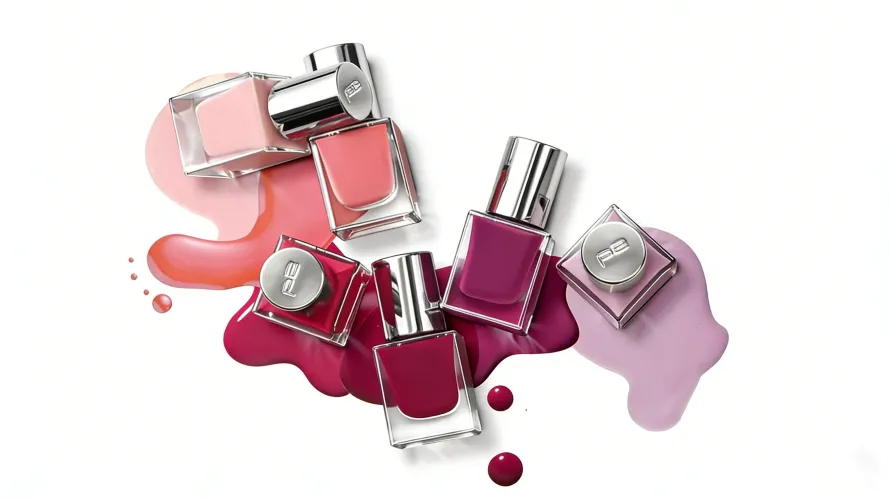
Zhengzhou Weimei’s M-Series matte nude nail polish exemplifies strategic product design aligned with international regulatory expectations:
This case highlights the importance of balancing compliance and consumer experience — essential for B2B brands aiming to satisfy distributors and regulators alike.
In cross-border cosmetics trade, common compliance hurdles include:
According to reports by Cosmetics Europe, product recalls due to labeling errors have dropped by 18% since stricter enforcement began in 2020, illustrating the tangible benefits of meticulous label review.
Beyond formulation, proper quality control (QC) and supply chain management are cornerstone practices for compliance:
For brands and distributors navigating complex global cosmetics regulations, actionable strategies include:
These measures have proven to reduce shipment delays by up to 25% and increase distributor confidence — a critical factor for sustained B2B partnerships.
Ready to Ensure Your Cosmetic Products Meet Global Compliance Standards?
Discover how Zhengzhou Weimei Co., Ltd.’s M-Series matte nude nail polish sets a benchmark for international regulatory excellence with a low-solvent, hypoallergenic formulation. Partner with us to elevate your brand’s market access while safeguarding compliance risks.
Request A Free Sample & Compliance Consultation
 239
|
239
|
 nude matte nail polish
sensitive skin manicure solutions
DIY nail care tips
quick-dry nail polish
no base coat nail polish
nude matte nail polish
sensitive skin manicure solutions
DIY nail care tips
quick-dry nail polish
no base coat nail polish
 485
|
ABS resin nail stickers
eco - friendly nail stickers
reusable nail stickers
nail sticker material analysis
long - style nail stickers
241
|
ABS resin nail tips
eco-friendly nail products
nail tip material trends
reusable nail tips
safe gel-compatible nail overlays
56
|
eco-friendly nail stickers
rhinestone nail art stickers
ABS resin nail贴片
long-lasting nail decals
international nail art exports
485
|
ABS resin nail stickers
eco - friendly nail stickers
reusable nail stickers
nail sticker material analysis
long - style nail stickers
241
|
ABS resin nail tips
eco-friendly nail products
nail tip material trends
reusable nail tips
safe gel-compatible nail overlays
56
|
eco-friendly nail stickers
rhinestone nail art stickers
ABS resin nail贴片
long-lasting nail decals
international nail art exports
 233
|
nail extension片 sizing
gel nail adhesive technique
jelly glue for nails
reusable nail贴片 care
professional nail extension training
233
|
nail extension片 sizing
gel nail adhesive technique
jelly glue for nails
reusable nail贴片 care
professional nail extension training