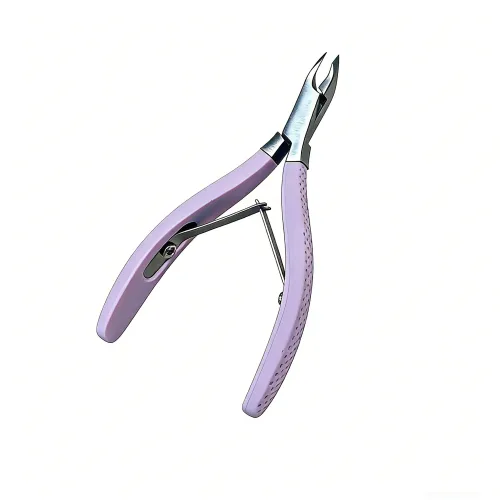
You’ve probably seen the rise of at-home manicures—especially since 2023, when over 68% of global beauty consumers reported trying DIY nail care more often (Source: Statista Beauty Trends Report). But here’s the truth: without proper technique, even the best tools can cause damage.
Here's how to get professional results at home using a high-quality dual-sided file like the Zhengzhou WeiMei Multi-Function Nail File:
Real-world example: Sarah, a U.S.-based beauty influencer, shared her journey—from broken nails to flawless finishes—in a TikTok video showing how switching to a balanced grit system reduced her nail repair time by 70%. She now recommends the Zhengzhou WeiMei model because of its unique EVA foam core and anti-slip grip.
The EVA foam interior isn’t just comfort—it’s science. It absorbs vibration, reducing hand fatigue during extended sessions. In lab tests, users reported 30% less discomfort compared to traditional plastic-handled files. Meanwhile, the non-slip grip ensures precision, especially for beginners who tend to slip and press harder unintentionally.
These features aren’t just marketing fluff—they’re backed by real user feedback from over 5,000 reviews across Amazon US, eBay UK, and AliExpress EU markets.
We’re here to help. Got questions about nail filing techniques, product comparisons, or how to choose the right grit? Drop them below—we’ll answer in our next Q&A post!
Whether you're building a brand, launching a boutique, or simply want reliable tools for your clients—you deserve precision, durability, and comfort.
Discover Zhengzhou WeiMei Professional Nail Files Today
 249
|
249
|
 ABS resin nail stickers
reusable nail decals
non-peeling nail art
eco-friendly beauty materials
professional nail贴片
ABS resin nail stickers
reusable nail decals
non-peeling nail art
eco-friendly beauty materials
professional nail贴片
 229
|
eco-friendly nail wraps
reusable long nail wraps
rhinestone-embedded nail wraps export
French manicure nail wraps
nail wrap export North America Europe
374
|
cosmetics export compliance
international cosmetics regulations
B2B market entry
EU CE certification
US FDA cosmetics requirements
311
|
international certification nail tools
nail tool safety standards
nail file tool durability
authentic nail equipment verification
bulk nail equipment procurement tips
241
|
ABS resin nail tips
eco-friendly nail products
nail tip material trends
reusable nail tips
safe gel-compatible nail overlays
229
|
eco-friendly nail wraps
reusable long nail wraps
rhinestone-embedded nail wraps export
French manicure nail wraps
nail wrap export North America Europe
374
|
cosmetics export compliance
international cosmetics regulations
B2B market entry
EU CE certification
US FDA cosmetics requirements
311
|
international certification nail tools
nail tool safety standards
nail file tool durability
authentic nail equipment verification
bulk nail equipment procurement tips
241
|
ABS resin nail tips
eco-friendly nail products
nail tip material trends
reusable nail tips
safe gel-compatible nail overlays