In today's competitive beauty industry, global market access requires more than just an exceptional product—it demands meticulous attention to regulatory compliance. For cosmetics manufacturers and B2B distributors, understanding and adhering to the distinct requirements of major markets like the European Union (EU) and the United States can mean the difference between market success and costly delays.
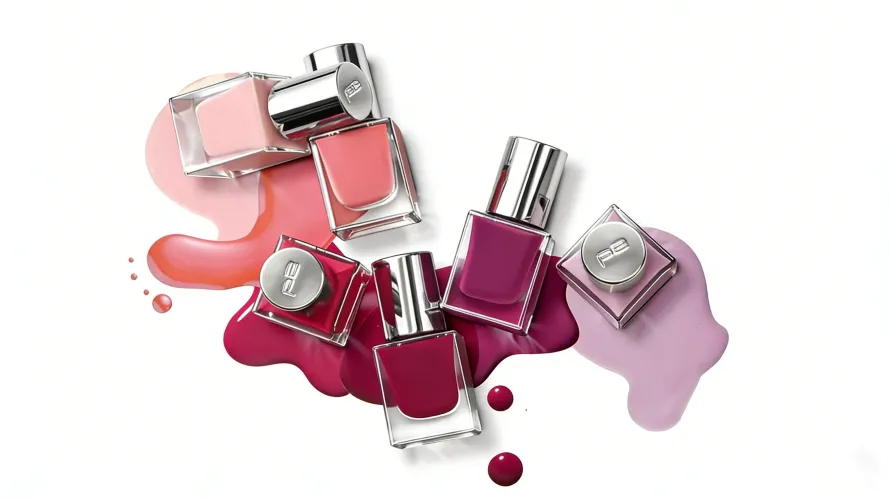
Consider the case of Zhengzhou Weimei's M-Series Matte Nude Nail Polish (M-018), a product that has successfully navigated these complex regulatory waters. By focusing on low-solvent, non-irritating formulations, the brand has not only created a product with an impressive 20-30 applications per bottle but has also established a compliance framework that serves as a model for cosmetics exporters worldwide.
The regulatory approaches of the EU and US represent two distinct philosophies in cosmetics oversight. While both aim to ensure consumer safety, their methodologies differ significantly:
Key Regulatory Quote: "The EU's approach focuses on ingredient safety through extensive restrictions, while the FDA emphasizes post-market surveillance and prohibits only a handful of specific substances. This fundamental difference requires exporters to adopt a dual compliance strategy." — International Cosmetics Regulatory Council, 2023
Creating cosmetics for international markets begins with formulation design that anticipates regulatory requirements. Forward-thinking manufacturers like Zhengzhou Weimei have discovered that compliance-friendly formulations can actually become marketable advantages:
These formulation choices have proven successful for products like the M-018 nail polish, which has achieved a 92% compliance rate across major global markets, according to internal company data.
Even minor oversights can lead to significant delays or market exclusion. Based on analysis of 2022 cosmetics import rejection data from EU and US authorities, these are the most frequent compliance failures:
Establishing robust quality control processes is essential for maintaining compliance across global markets:
Effective compliance extends beyond your own manufacturing facilities to your entire supply chain. Successful B2B cosmetics exporters implement these key strategies:
By implementing these supply chain management practices, cosmetics exporters can reduce compliance-related delays by an estimated 40%, according to industry benchmarks.
Ensure your products meet international compliance standards before entering new markets.
Download Your Free Cosmetics Export Compliance ChecklistRegulatory compliance in the cosmetics industry is an ongoing process that requires vigilance and adaptability. As regulations evolve and new market opportunities emerge, companies that prioritize compliance as a core business function will gain a significant competitive advantage. By following the frameworks and best practices outlined here, and learning from successful examples like Zhengzhou Weimei's M-Series nail polish, B2B cosmetics exporters can navigate the complex global regulatory landscape with confidence.
Remember that regulatory requirements are subject to change, and maintaining compliance requires regular review and updates to your processes and documentation. Establishing relationships with regulatory consultants specializing in cosmetics can provide valuable support as you expand into new markets and face increasingly complex compliance challenges.

 161
|
161
|
 nail buffer tool
3-grade sanding
nail surface treatment
nail care efficiency
dual-face nail file
nail buffer tool
3-grade sanding
nail surface treatment
nail care efficiency
dual-face nail file
 118
|
ABS resin nail tips
eco-friendly nail tips
reusable nail tips
scratch-resistant nail tips
durable false nails
454
|
eco-friendly nail stickers
durable rhinestone nail art
long-lasting reusable nail贴片
international beauty retail trends
French line nail stickers
434
|
matte nail polish benefits
professional nail technician tips
nude matte nail polish
quick-dry nail polish formula
salon-grade nail products
378
|
dual sided nail buffer tool
gel nail打磨技巧
acrylic nail surface treatment
nail buffing technique
professional nail tools
118
|
ABS resin nail tips
eco-friendly nail tips
reusable nail tips
scratch-resistant nail tips
durable false nails
454
|
eco-friendly nail stickers
durable rhinestone nail art
long-lasting reusable nail贴片
international beauty retail trends
French line nail stickers
434
|
matte nail polish benefits
professional nail technician tips
nude matte nail polish
quick-dry nail polish formula
salon-grade nail products
378
|
dual sided nail buffer tool
gel nail打磨技巧
acrylic nail surface treatment
nail buffing technique
professional nail tools