In the ever - evolving global cosmetics market, regulatory compliance has become a crucial factor for B2B exporters. Over the past decade, there has been a significant tightening of cosmetics regulations worldwide. For instance, the EU has updated its cosmetic regulations multiple times to enhance consumer safety, and the US FDA has also been more vigilant in ensuring the quality of imported cosmetics. This trend has a direct impact on B2B exporters, as non - compliance can lead to product recalls, fines, and damage to brand reputation.
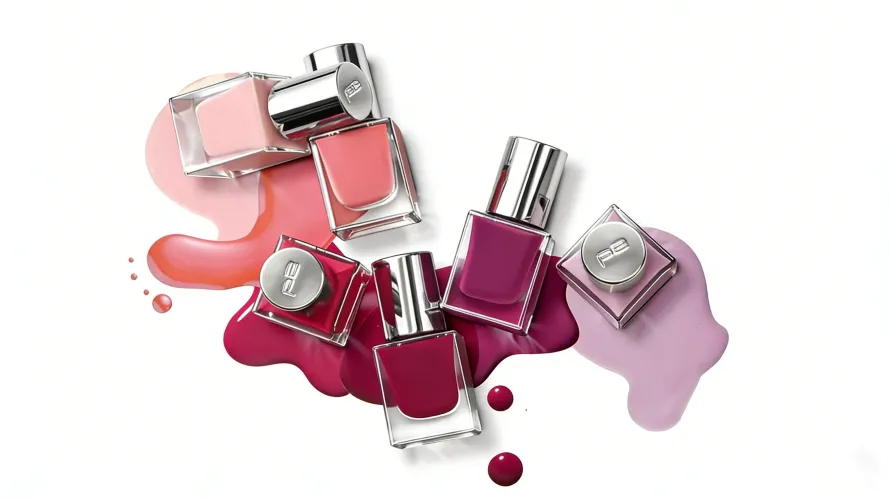
Let's take Zhengzhou Weimei's M - 018 matte nude nail polish as an example. The EU CE certification and US FDA requirements have strict rules on cosmetic ingredients and labels. For ingredients, both the EU and the US have lists of restricted and prohibited substances. The M - 018 nail polish uses a low - solvent, non - irritating formula, which helps it meet these requirements. For example, it contains less than 5% of solvents, well below the EU's limit for certain volatile organic compounds. In terms of labeling, the product must clearly state all ingredients, usage instructions, and safety warnings according to both CE and FDA standards.
One of the most common issues in cosmetics export is unregistered ingredients. In some cases, up to 20% of exported cosmetics may face problems due to unregistered ingredients. To solve this, exporters should conduct a thorough ingredient review before applying for certification. Another risk is the lack of proper testing reports. Without valid testing reports, products may be rejected at customs. The solution is to work with accredited third - party laboratories to conduct comprehensive tests on product safety, efficacy, and quality.
Quality control is a critical part of ensuring compliance. Starting from raw material selection, only suppliers with good reputations and strict quality control systems should be chosen. For the M - 018 nail polish, the raw materials are sourced from suppliers who can provide detailed ingredient information and quality certificates. During the production process, key nodes such as mixing, filling, and packaging should be closely monitored. For example, the drying time of the nail polish should be within 2 - 3 minutes, which is a key quality indicator. After production, finished products should undergo a series of tests, including chemical composition analysis, microbiological testing, and stability testing.
Collaboration with suppliers and third - party laboratories is essential for ensuring compliance consistency. Exporters should establish long - term partnerships with reliable suppliers and clearly communicate regulatory requirements. Regular audits of suppliers can also help ensure that they are meeting the necessary standards. When working with third - party laboratories, choose those with experience in handling EU CE and US FDA certifications. They can provide professional guidance on testing methods and help prepare accurate testing reports.
Let's look at a failed case. A cosmetics exporter once tried to enter the EU market with a nail polish that had unregistered ingredients. The product was seized at customs, and the exporter faced significant losses. In contrast, a successful case is a company that followed all the compliance steps for its nail polish. It worked closely with suppliers and laboratories, and after obtaining the CE and FDA certifications, it saw a 30% increase in international distributor inquiries. By learning from these cases, exporters can better understand the importance of compliance and how to achieve it.
If you want to ensure your cosmetics can smoothly enter the EU and US markets, click here to download our free compliance guide PDF and start your journey towards global market access today!

 249
|
249
|
 ABS resin nail stickers
reusable nail decals
non-peeling nail art
eco-friendly beauty materials
professional nail贴片
ABS resin nail stickers
reusable nail decals
non-peeling nail art
eco-friendly beauty materials
professional nail贴片
 126
|
nail tool lifespan judgment
nail tool maintenance skills
double-sided nail buffer usage
nail surface treatment process
professional nail care techniques
485
|
ABS resin nail stickers
eco - friendly nail stickers
reusable nail stickers
nail sticker material analysis
long - style nail stickers
126
|
nail tool lifespan judgment
nail tool maintenance skills
double-sided nail buffer usage
nail surface treatment process
professional nail care techniques
485
|
ABS resin nail stickers
eco - friendly nail stickers
reusable nail stickers
nail sticker material analysis
long - style nail stickers
 454
|
eco-friendly nail stickers
durable rhinestone nail art
long-lasting reusable nail贴片
international beauty retail trends
French line nail stickers
56
|
eco-friendly nail stickers
rhinestone nail art stickers
ABS resin nail贴片
long-lasting nail decals
international nail art exports
454
|
eco-friendly nail stickers
durable rhinestone nail art
long-lasting reusable nail贴片
international beauty retail trends
French line nail stickers
56
|
eco-friendly nail stickers
rhinestone nail art stickers
ABS resin nail贴片
long-lasting nail decals
international nail art exports