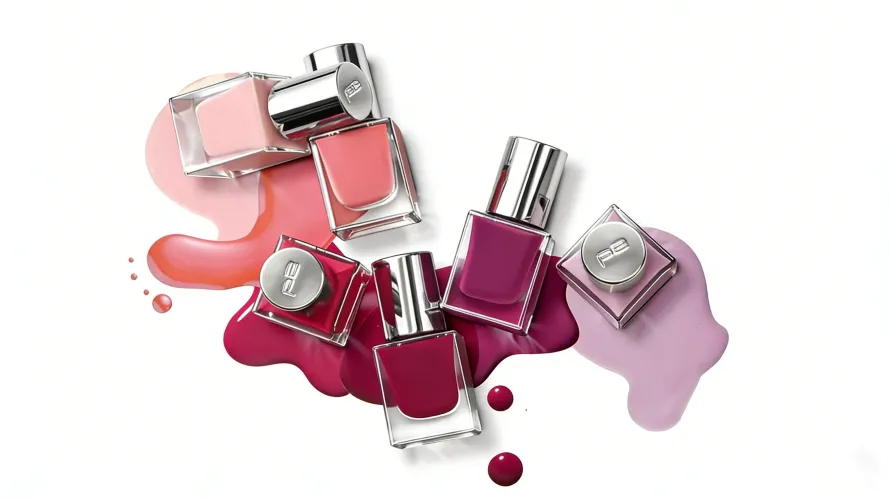
Navigating the complex web of international regulations for cosmetics export can be daunting. This guide dives into the detailed workflow for preparing testing reports specifically for matte nude nail polish (M-018), illustrating how low solvent and non-irritant formulations achieve compliance with stringent standards such as the EU CE certification and US FDA regulations. By mastering key elements like ingredient declaration, label accuracy, and quality control, global distributors can streamline market entry and minimize costly setbacks.
When exporting cosmetics internationally, recognizing the nuanced differences between the European Union’s CE marking requirements and the United States' FDA regulations is crucial. The EU mandates strict ingredient restrictions and comprehensive safety assessments under the Cosmetics Regulation (EC) No 1223/2009, with a focus on product labeling in multiple languages and adherence to the Cosmetic Product Safety Report (CPSR). Conversely, the US FDA emphasizes product labeling, prohibiting adulterated or misbranded cosmetics, and mandates ingredient transparency through the Fair Packaging and Labeling Act, often without pre-market approval.
“Ensuring exact ingredient declaration and label compliance reduces market rejection risks by over 40%.” – Regulatory Affairs Expert
The matte nude nail polish M-018 exemplifies how product formulations must be adapted at the source to pass multi-market standards. Selecting low-volatility solvents reduces occupational exposure risks and environmental impact, while incorporating hypoallergenic and non-sensitizing ingredients ensures skin compatibility. Such deliberate choices streamline certification processes: M-018’s components comply with Annex II of the EU directive and FDA-approved ingredients lists. This strategic formulation approach shortens the average testing cycle by approximately 30%.
Missteps in documentation or product preparation can lead to shipment detentions, returns, or fines. Common errors include:
For example, one distributor faced a two-week shipment hold due to failing to provide an up-to-date MSDS, resulting in a 12% revenue loss for that batch.
Implementing robust quality assurance mechanisms at each stage is vital for compliance and customer satisfaction. Key steps include:
A reliable export supply chain depends not only on logistics but also on consistent and standardized documentation preparation. Ensure all export paperwork, including certificates of origin, lab reports, and safety files, adhere to the importing country’s format. Using standardized templates accelerates customs clearance, reducing potential delays by up to 25%.
Have you encountered regulatory hurdles or delays during your cosmetics export? Share your experiences below to help the community navigate global compliance smoother.
To enhance operational efficiency, utilize a concise self-audit checklist covering:
Employing this checklist has shown to reduce non-compliance risks by over 35% in third-party audits.
Aligning product design, documentation, and quality oversight with the latest EU and US regulations equips distributors for seamless cross-border cosmetics trade. M-018's success story underscores how strategic formulation and thorough compliance outputs translate to faster customs clearance and strengthened buyer confidence.
Don’t let regulatory oversights jeopardize your export operations—embrace structured processes today.

 452
|
452
|
 matte nail polish export
low solvent cosmetics
EU cosmetic compliance
FDA GMP for nail products
international nail polish regulations
matte nail polish export
low solvent cosmetics
EU cosmetic compliance
FDA GMP for nail products
international nail polish regulations
 337
|
matte nail polish tips
professional nail artist guide
nude matte nail polish application
fast drying nail polish
salon efficiency techniques
303
|
rhinestone nail stickers export
eco-friendly nail stickers
reusable nail sticker certification
international nail sticker compliance
safe nail sticker materials
337
|
matte nail polish tips
professional nail artist guide
nude matte nail polish application
fast drying nail polish
salon efficiency techniques
303
|
rhinestone nail stickers export
eco-friendly nail stickers
reusable nail sticker certification
international nail sticker compliance
safe nail sticker materials
 126
|
nail tool lifespan judgment
nail tool maintenance skills
double-sided nail buffer usage
nail surface treatment process
professional nail care techniques
318
|
Cosmetics export compliance
International cosmetics regulations
B2B market access
EU CE certification
US FDA requirements
126
|
nail tool lifespan judgment
nail tool maintenance skills
double-sided nail buffer usage
nail surface treatment process
professional nail care techniques
318
|
Cosmetics export compliance
International cosmetics regulations
B2B market access
EU CE certification
US FDA requirements